Geothermal Energy Systems
Study Snapshot
Geothermal Energy Systems focuses on Introduction, How Geothermal Energy Works, Heat Transfer Process, Types of Geothermal Systems. Comprehensive guide to geothermal energy systems for students studying renewable energy. Read it for signal path, component behavior, assumptions, measurement, and limitation.
How to Understand This Topic
- Start with Introduction and turn it into a one-sentence definition in your own words.
- Then connect How Geothermal Energy Works to Heat Transfer Process so the topic feels like a sequence, not a list.
- Create one example for Geothermal Energy Systems using the page's terms before moving to revision.
- Finish by asking what assumption, exception, or limitation would change the answer. Always attach formulas to units, assumptions, and physical meaning.
Concept Flow
What Each Section Adds
| Section | What It Adds to Your Understanding |
|---|---|
| Introduction | Geothermal energy is one of the oldest and most reliable forms of renewable energy production. |
| How Geothermal Energy Works | Geothermal energy systems operate on the principle of extracting heat from underground reservoirs. |
| Heat Transfer Process | Illustration: !Heat transfer diagram The heat transfer process occurs in three stages: Conduction: Heat moves through solid rock formations Convection: Hot fluids rise an... |
| Types of Geothermal Systems | There are several types of geothermal systems, each suited for different geological conditions: Conventional Systems These are the most common type and use natural groundwater as the working fluid. |
| Conventional Systems | These are the most common type and use natural groundwater as the working fluid. |
Relatable Example
lab-style example: Anchor it in Introduction, How Geothermal Energy Works, Heat Transfer Process. Use a bench-test situation: input signal, component behavior, expected output, measurement point, and one non-ideal effect. Imagine testing Geothermal Energy Systems on a bench. Identify the input, predict the output, choose what to measure, and list the assumption behind the prediction. Then ask what non-ideal factor such as loading, tolerance, heat, or noise could change the result.
Check Your Understanding
- How would you explain Introduction to someone seeing Geothermal Energy Systems for the first time?
- What is the relationship between Introduction and How Geothermal Energy Works?
- Which example or case could make Heat Transfer Process easier to remember?
- What assumption, exception, or limitation should be mentioned for a complete answer in Electronics?
Improve Your Answer
- Start with a plain-English definition before using technical terms.
- Anchor the answer in the page's real sections: Introduction, How Geothermal Energy Works, Heat Transfer Process, Types of Geothermal Systems.
- Add one concrete example, then state the limitation or exception that keeps the answer honest.
- Use keywords naturally for search and revision: Introduction, How Geothermal Energy Works, Heat Transfer Process, Types of Geothermal Systems.
What to Review Next
- Revisit Enhanced Geothermal Systems (EGS), Closed-Loop Systems, Geothermal Power Plant Components and explain each item without rereading the paragraph.
- Add one self-made example that uses the exact vocabulary of Geothermal Energy Systems.
- Compare this page with the next related topic and note one similarity, one difference, and one open question.
Introduction
Geothermal energy is one of the oldest and most reliable forms of renewable energy production. It harnesses heat from beneath the Earth's surface to generate electricity and provide heating and cooling. This technology has been around since the 20th century and continues to play a significant role in the global transition towards sustainable energy sources.
How Geothermal Energy Works
Geothermal energy systems operate on the principle of extracting heat from underground reservoirs. The process involves:
- Exploraty drilling to locate suitable geothermal resources
- Drilling production wells to access hot water or steam
- Pumping fluids to the surface through injection wells
- Using heat exchangers to convert the fluid's heat into usable energy
Heat Transfer Process
Illustration: 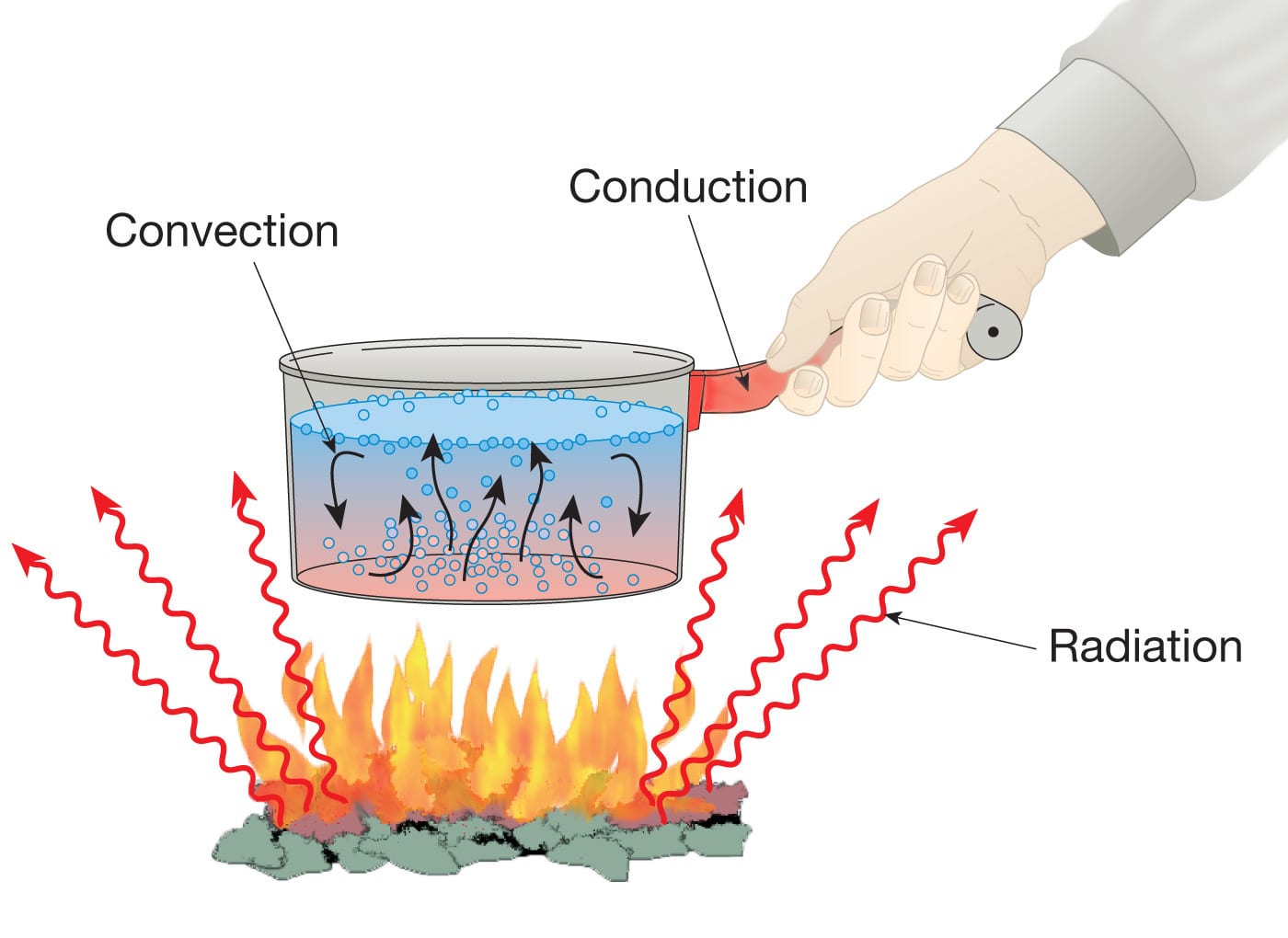
The heat transfer process occurs in three stages:
- Conduction: Heat moves through solid rock formations
- Convection: Hot fluids rise and cool, creating circulation
- Radiation: Heat is transferred through electromagnetic waves
Types of Geothermal Systems
There are several types of geothermal systems, each suited for different geological conditions:
Conventional Systems
These are the most common type and use natural groundwater as the working fluid.
- Suitable for areas with high permeability and temperature gradients
- Can produce both electricity and direct-use applications (heating/cooling)
Enhanced Geothermal Systems (EGS)
Also known as Engineered Geothermal Systems, these create artificial reservoirs where none exist naturally.
- Can be deployed in areas with lower permeability
- Requires advanced drilling and stimulation techniques
Closed-Loop Systems
These use man-made loops to extract heat from underground formations.
- Suitable for urban areas or where natural resources are scarce
- Can be combined with conventional systems for increased efficiency
Geothermal Power Plant Components
A typical geothermal power plant consists of several key components:
- Exploraty Wells: Used to assess the resource potential
- Production Wells: Extract hot fluids from the reservoir
- Injection Wells: Return cooled fluids back to the reservoir
- Heat Exchangers: Convert fluid heat to steam
- Turbines: Generate electricity from the expanded steam
- Condensers: Condense the steam back into liquid water
Illustration: 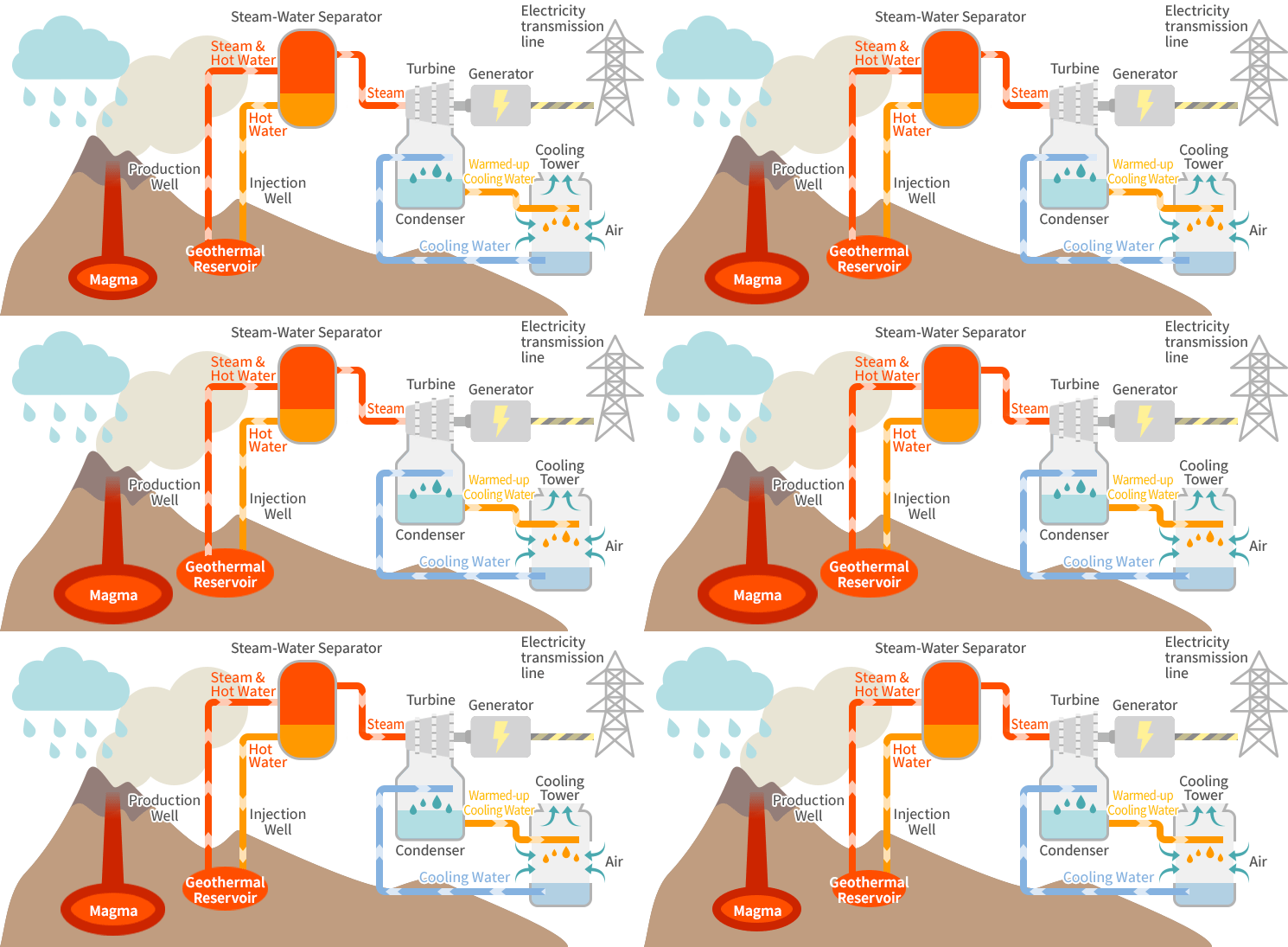
Advantages and Disadvantages of Geothermal Energy
Advantages:
- High capacity factor (can run continuously)
- Low greenhouse gas emissions during operation
- Long plant life (30+ years)
- Can provide both electricity and heating/cooling
Disadvantages:
- Limited geographical suitability
- High upfront capital costs
- Potential environmental impacts (land subsidence, induced seismicity)
- Risk of fluid leakage
Case Studies
The Geysers, California, USA
- One of the world's oldest geothermal fields
- Produces over 750 MW of electricity
- Demonstrates the longevity of geothermal resources
Larderello-Travale, Italy
- World's largest geothermal power plant complex
- Produces over 800 MW of electricity
- Showcases the scalability of geothermal energy production
Future Developments
Geothermal technology is continually evolving:
- Advanced drilling techniques for deeper exploration
- Enhanced geothermal systems for wider applicability
- Closed-loop systems for urban areas
- Integration with other renewable sources (e.g., solar, wind)
Conclusion
Geothermal energy systems play a vital role in the transition towards sustainable energy. Understanding the principles, components, and applications of geothermal energy is essential for students pursuing careers in renewable energy engineering and management. As technology advances, geothermal energy is likely to become an increasingly important part of our global energy mix.